
3,000 Lives Touched: A Global Kindness Project Rooted in Los Altos
by Mansi Bhatia
“You look beautiful,” he said to my daughter, without a hint of self-consciousness. “Do you want to swim with me?”
We were poolside on vacation, sipping lemon iced teas and flipping through books when the bespectacled boy approached. Before we could respond, his mother rushed over, breathless and apologetic. “Please excuse him,” she said, her voice tight.
As she gently led him away, he asked earnestly, “Why can’t I swim with her?”
“You can’t just walk up to strangers like that,” I heard her say.
What she didn’t say—but what I learned later—was that her son had autism and several other visible and invisible disabilities. It was their first time at a resort. She spent the morning apologizing to strangers, her exhaustion deepening with every attempt to manage both her son and the discomfort of others.
My daughter watched, too. “He seems sweet… but is his mom okay?” she asked.
I couldn’t shake the lump in my throat. Pushing my awkwardness and hesitation aside, I approached her with “Hi! I’m Mansi. I just wanted to say it’s ok if your son wants to hang out with my daughter and me … we’re going to play in the pool in a bit.”
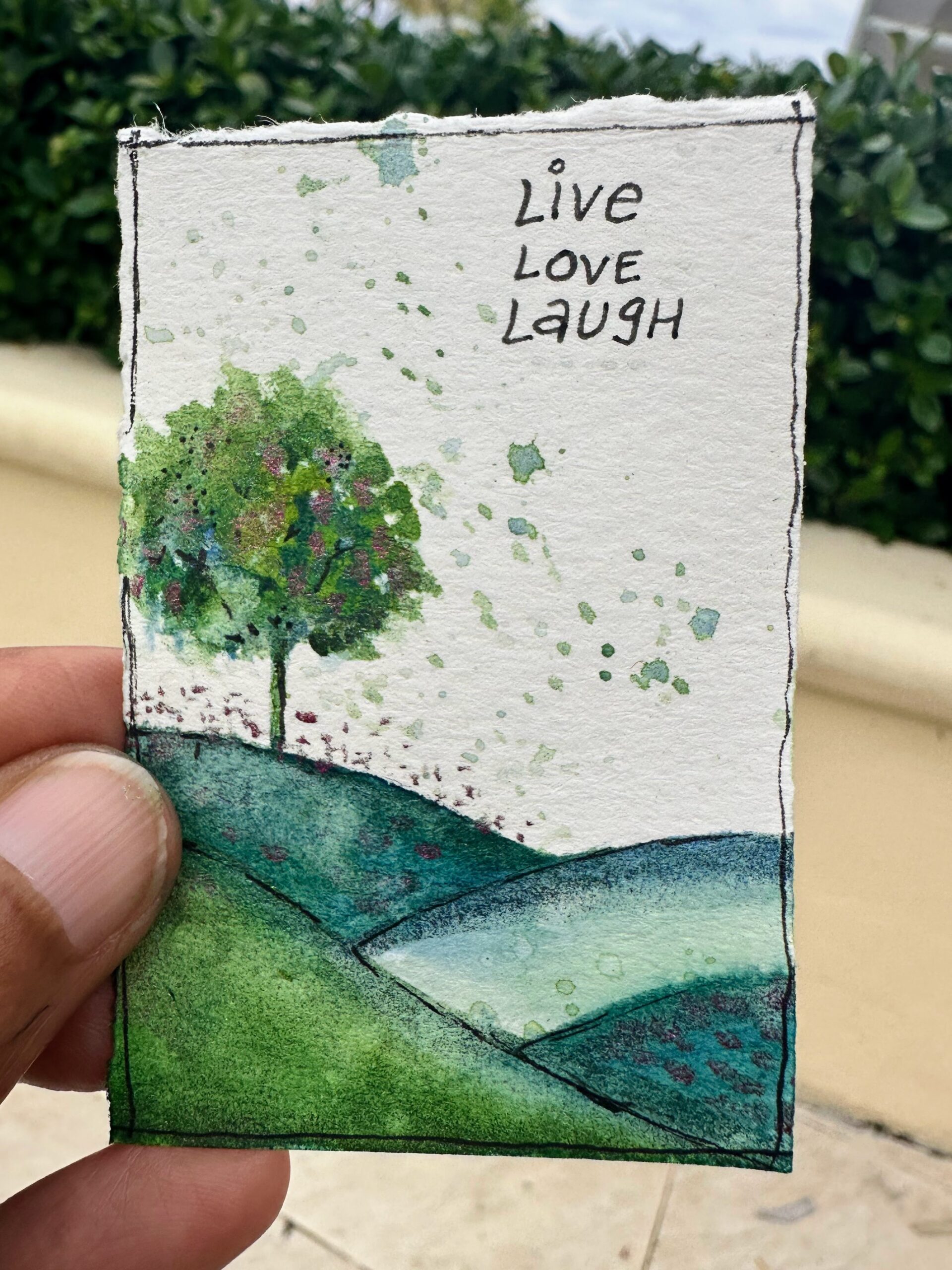
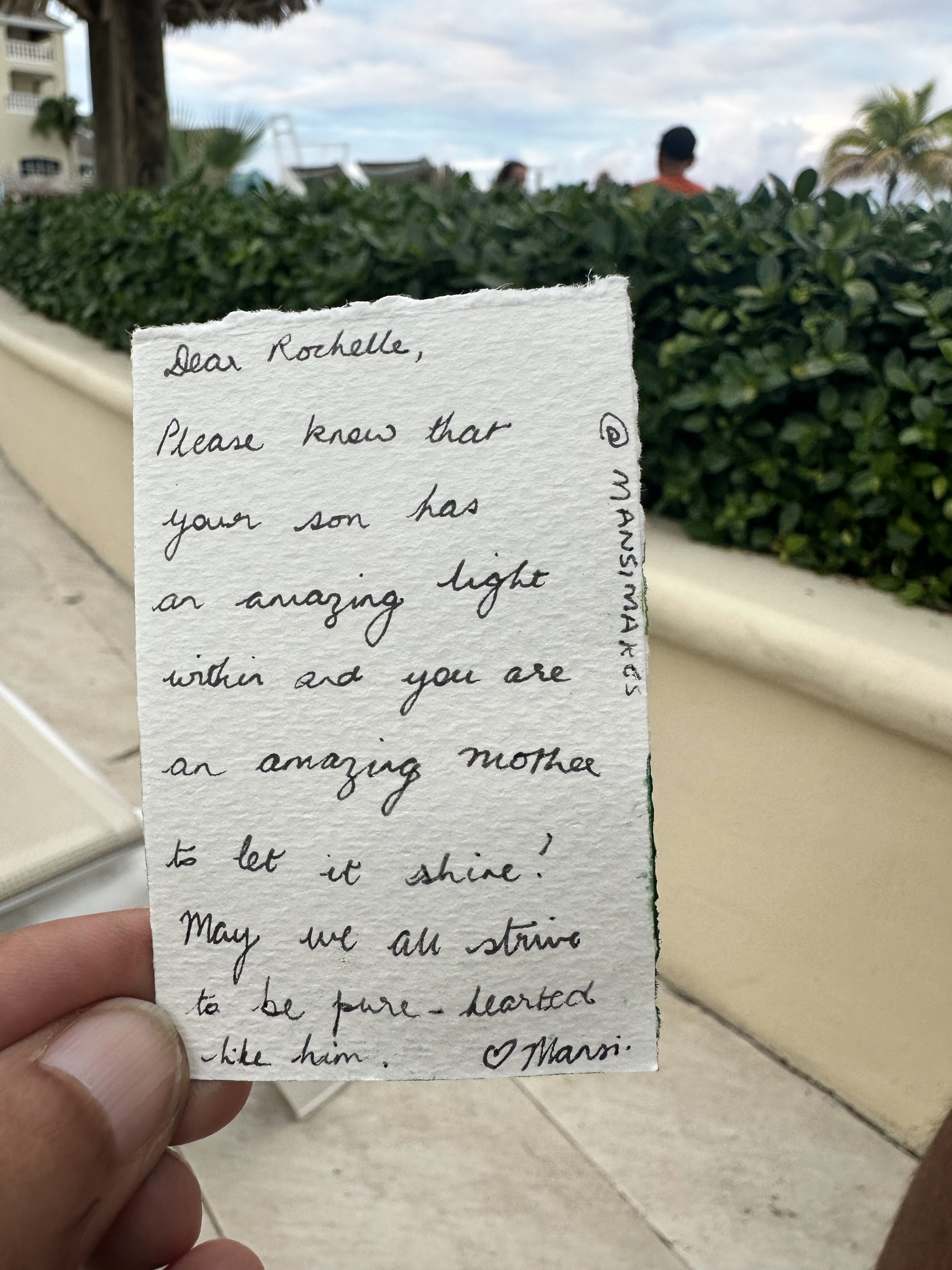
That simple invitation opened a dam. She told me about their barn, their cat, her guilt. We connected as mothers—tired, trying, unseen in our own ways. Before leaving, I reached for my travel watercolor kit, painted a small tree, and on the back wrote, “Your son has an amazing light within. And you are an amazing mother to let it shine.”
When I handed it to her, she sobbed and hugged me tight. Her relief was palpable. In that moment, I realized my daughter was watching and learning something I could never teach through words alone.
That interaction is one of many I think about often. In an era where we’re discouraged from making eye contact with strangers and trained to press buttons rather than speak to other humans, I found a radical remedy that fits in the palm of a hand: little handmade tokens, painted with watercolor and offered to those the world tends to overlook.
As social isolation reaches epidemic levels and technology increasingly replaces human interaction, these tokens have become our way of creating connection in unexpected places.
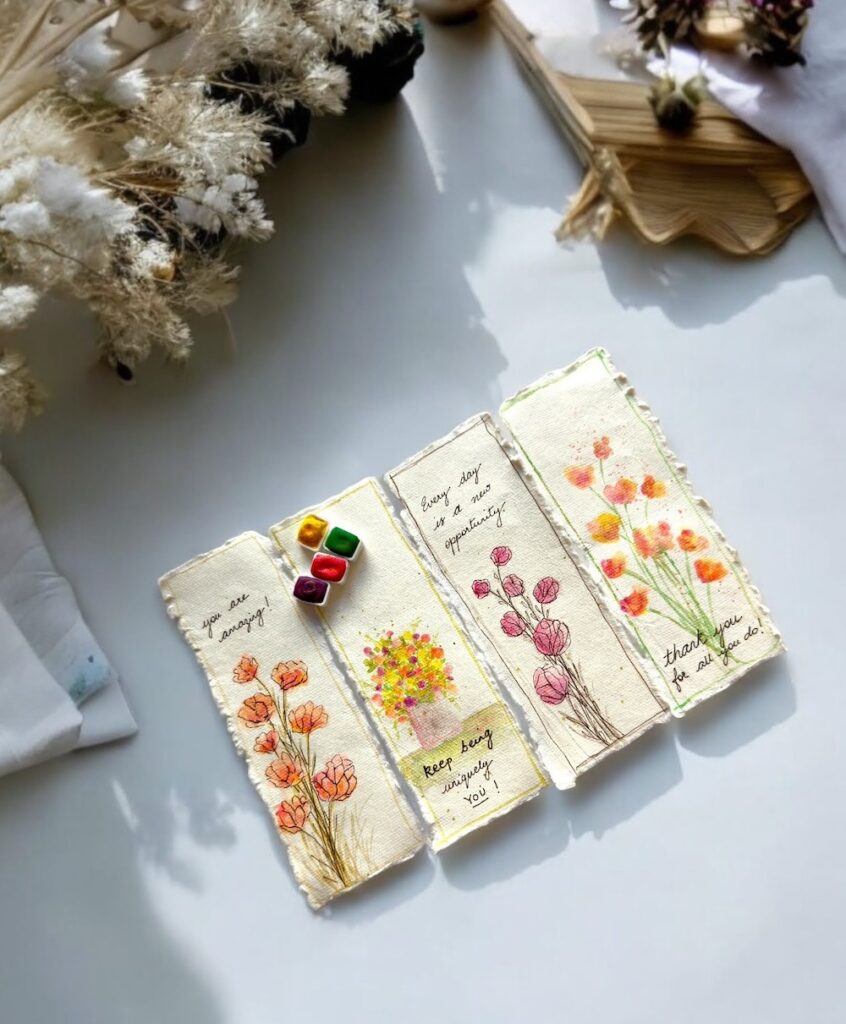
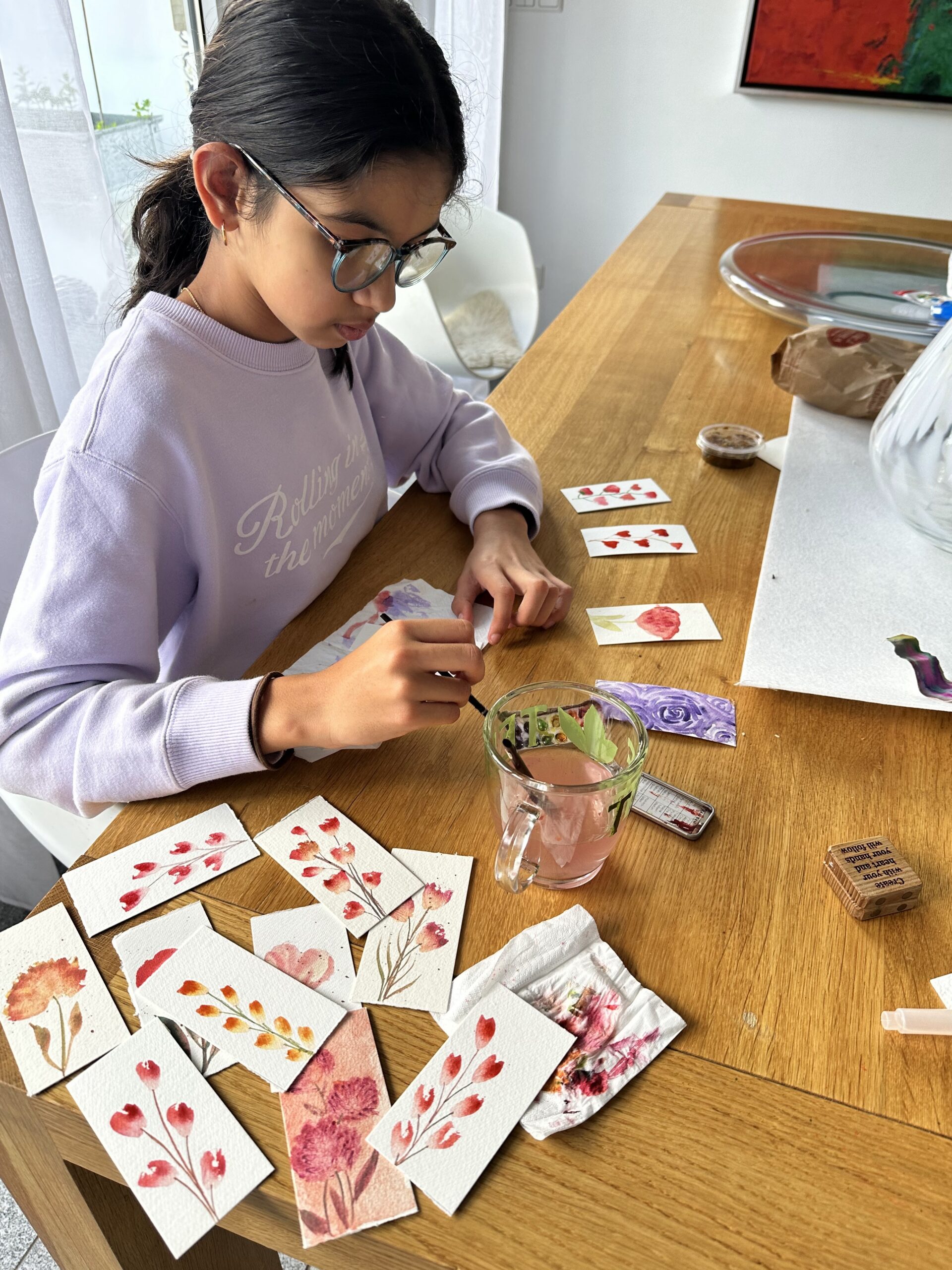
Over the past seven years, my daughter and I have created over 3,000 of these handmade tokens—3,000 lives touched.
It has become our shared practice. We give them to janitors, flight attendants, receptionists, grocery clerks—people who are often rendered invisible.
We do this in doctors’ offices and airport lounges. At 35,000 feet, while most passengers retreat into screens, my daughter and I reach for our paint set. “You made this for me?” flight attendants have asked us every time, their voices cracking.
These aren’t just kind gestures. They are deliberate disruptions of the social hierarchy.
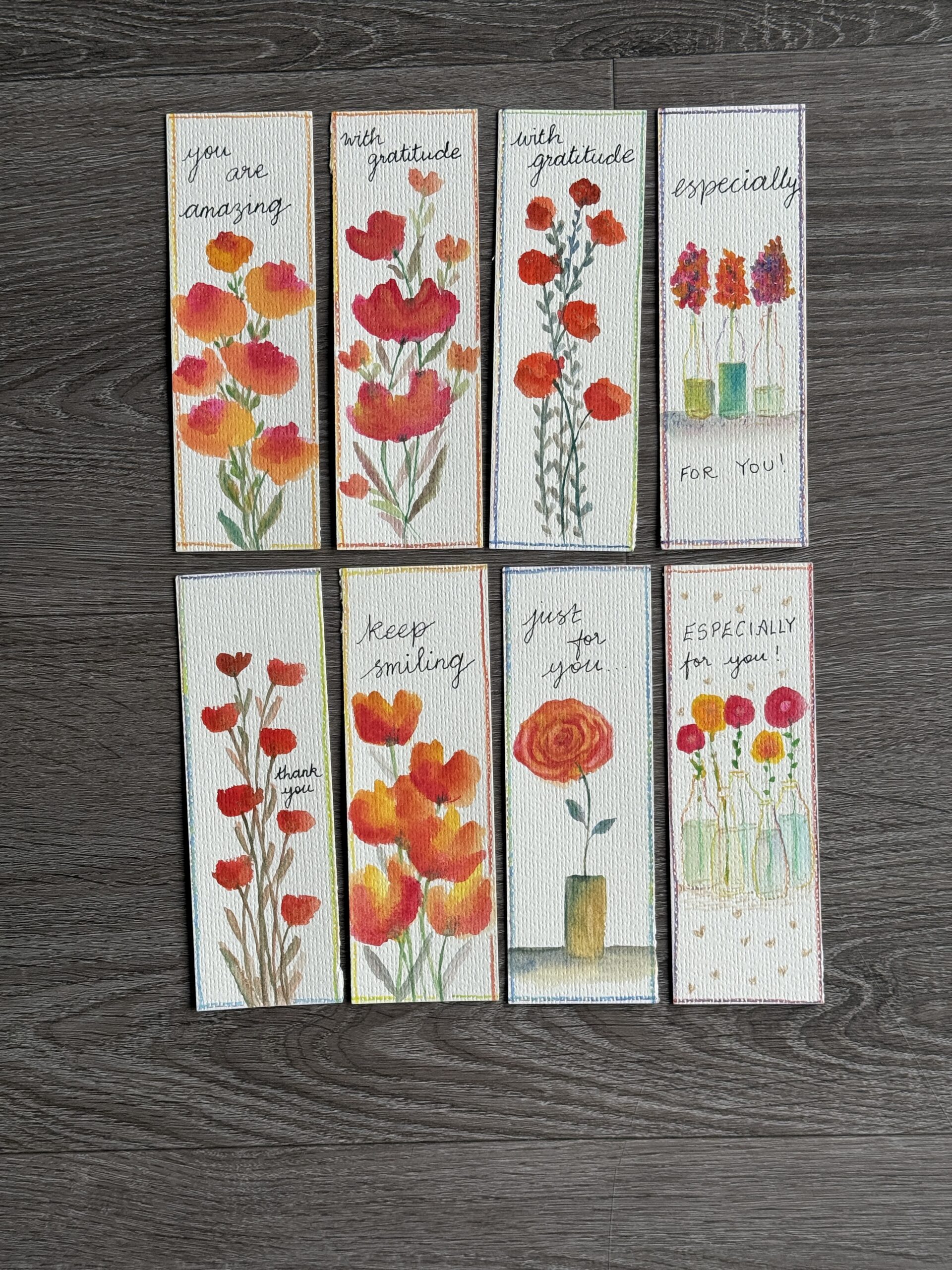
Too often, we only learn someone’s name when we have a complaint. We reduce people to functions: barista, custodian, delivery driver. I refuse to do that.
Each token takes two to three minutes to make. We carry a travel kit wherever we go. No formal art training. Just a willingness to look someone in the eye and say, without words: You matter.
Recently at Holder’s Country Inn, my daughter handed a token to a server named Sal. He held it in his hands like gold. “I’ve been working for 25 years,” he said. “This is the nicest thing anyone’s ever done for me.” He rolled up his sleeve to show us goosebumps.
While parenting experts suggest teaching kindness through stories and scripts, I’ve found something more powerful: modeling compassion as a practice. This approach has transformed not just how I parent, but who my daughter is becoming. She isn’t just learning to be kind. She’s learning to notice. To pause. To connect.
We don’t do this for praise. We do it because it changes the energy in a room. Because we’ve seen people cry. Hug. Whisper: “You have no idea how much I needed this today.”
We don’t need watercolor kits to be part of this kindness movement.
The next time you interact with someone whose job makes your life easier, try this: Look them in the eye. Say their name if you know it. Thank them with specificity. The revolution doesn’t require artistic skills or talent—it only requires that we refuse to let anyone feel invisible on our watch.
About the Contributor:
Mansi Bhatia
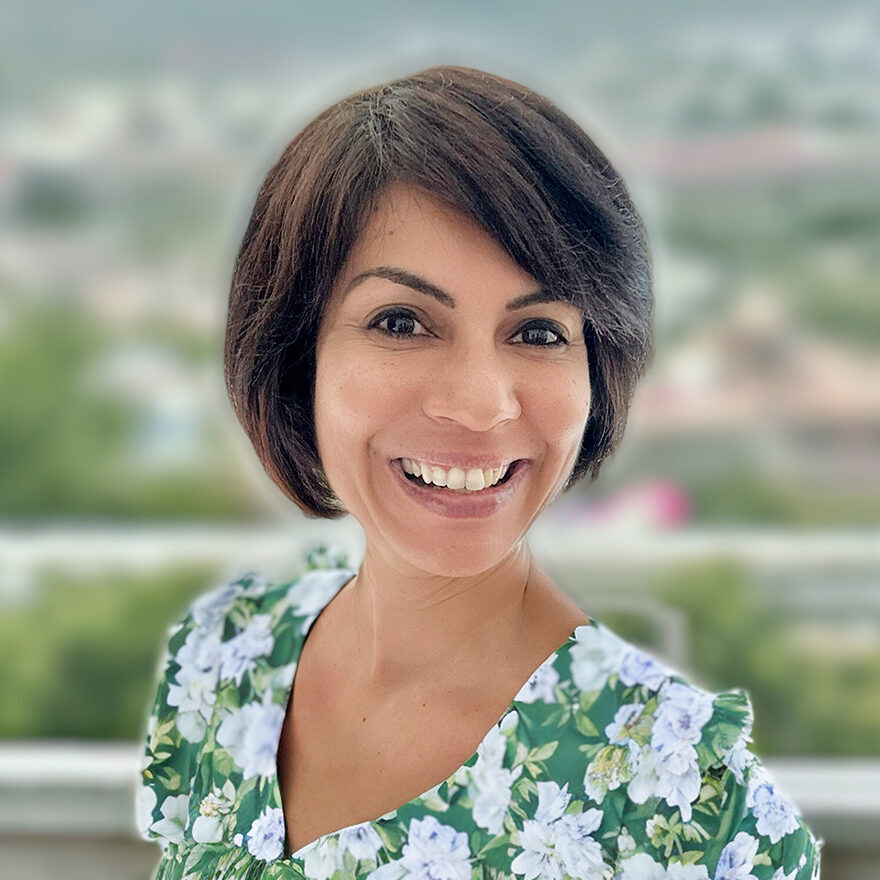
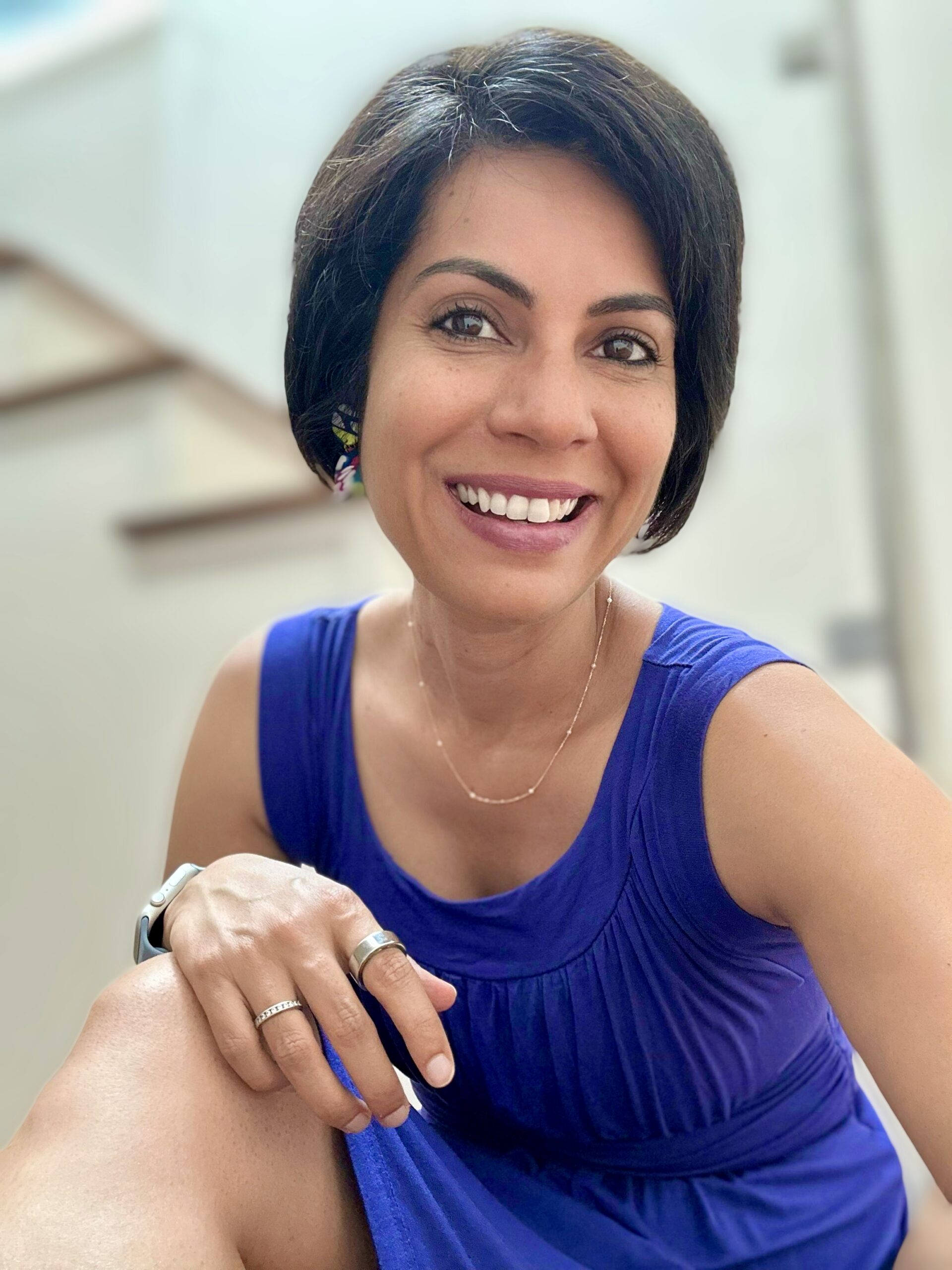
Mansi Bhatia is a writer, creativity facilitator, and founder of The Ripple Maker—a movement rooted in micro-acts of kindness and handmade connection. Based in Los Altos, she has distributed over 3,000 tokens to people society routinely overlooks. Her forthcoming book Little Tokens of Love, Big Ripples of Happiness (Schiffer Craft, Fall 2026) explores how creative generosity can dismantle hierarchies and foster belonging.